Why Site-Accurate Context Is the Real Advantage
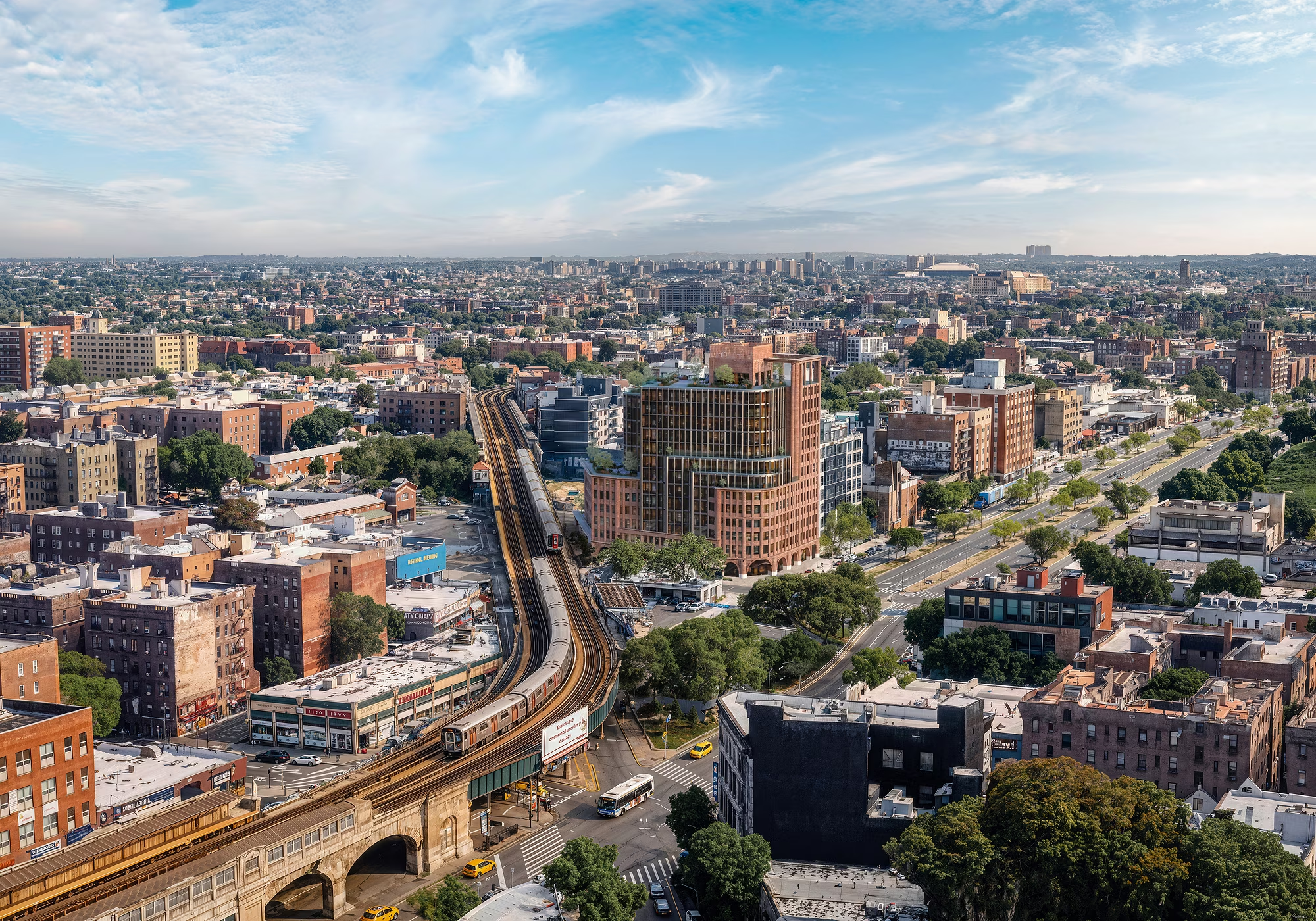
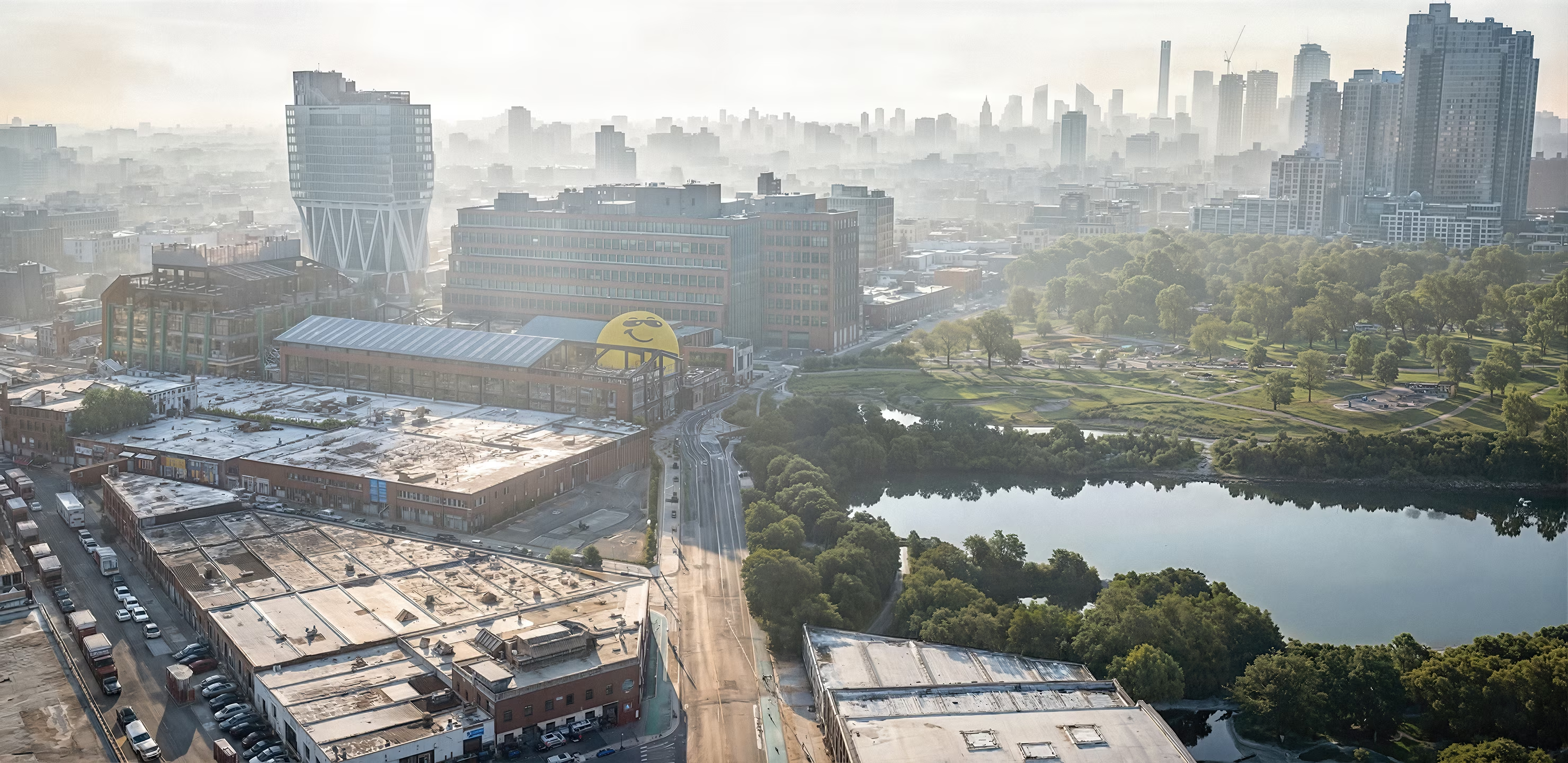
Anyone can render a beautiful building floating in a generic sky. Fifteen years rendering the same five boroughs teaches you something a stock 3D library never will: what the light, the neighbors, and the skyline actually look like on that block, and why getting it right is what actually earns a buyer's trust.
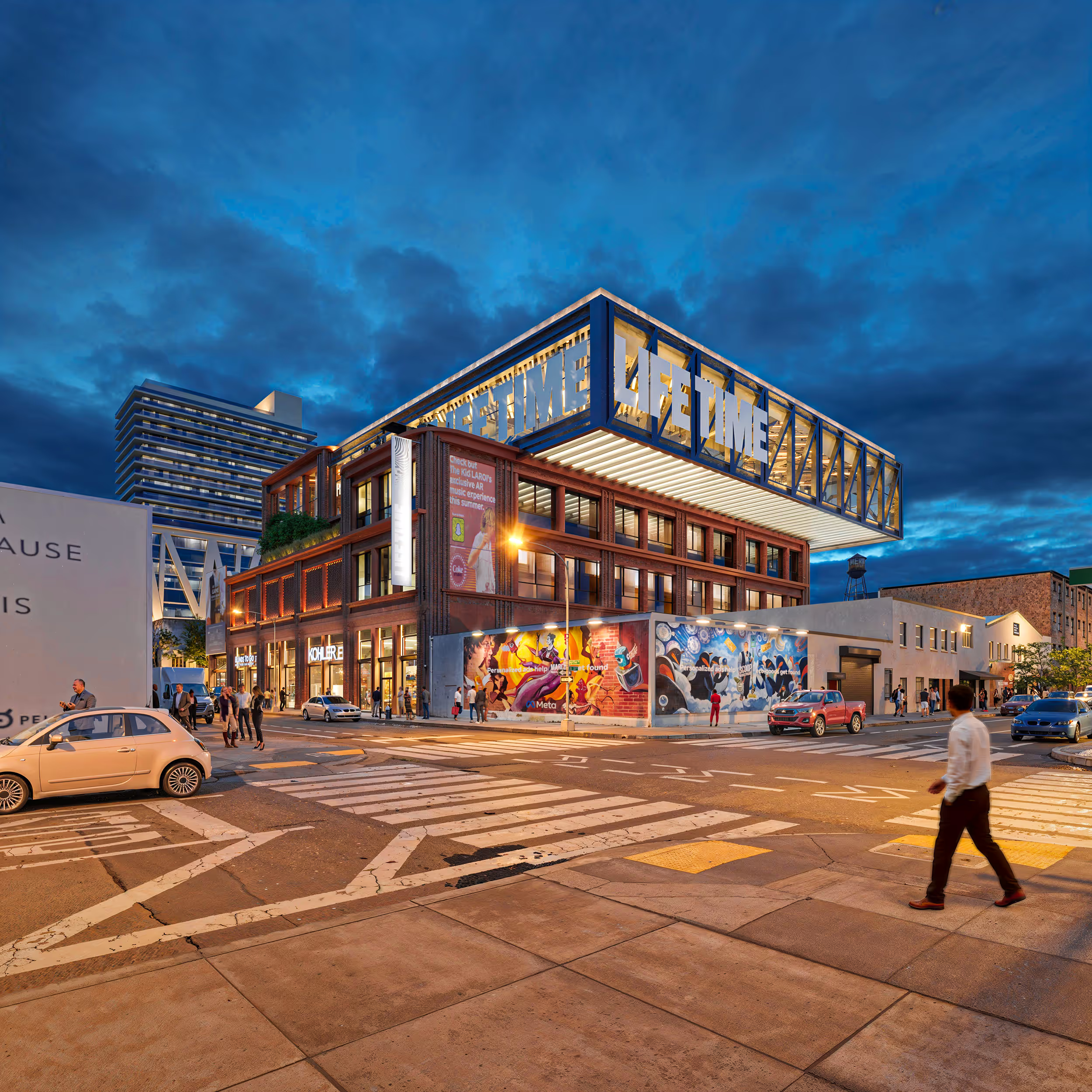
Placed on its real corner, not a generic waterfront stand-in.
There's a specific way a render fails that has nothing to do with the quality of the 3D work: the building itself looks great, but the block around it doesn't feel real. The neighbor across the street is the wrong height. The light comes from a direction the sun never actually hits that street. The skyline behind it belongs to a different city, or no city at all. It's a small thing on a mood board, and a disqualifying thing to a broker or buyer who has actually stood on that corner.
That's the gap fifteen years in New York closes. We're not modeling an idea of a city block; we're modeling the one at that address, with the buildings that are actually there, at the time of day the sun is actually in that position, in the borough where we've already delivered dozens of projects. That's not a stylistic preference. It's the difference between a render a local recognizes and one they immediately discount.

New York light isn't generic, so we don't render it that way
The way daylight falls on a Williamsburg waterfront street at 5pm in October is not the way it falls on a Long Island City rooftop at noon in June. We set every render's sun position and season to match the real orientation of the actual building, on its actual street, because a lobby or a terrace lit the wrong way is the fastest way to make a photoreal image look synthetic to anyone who lives nearby.
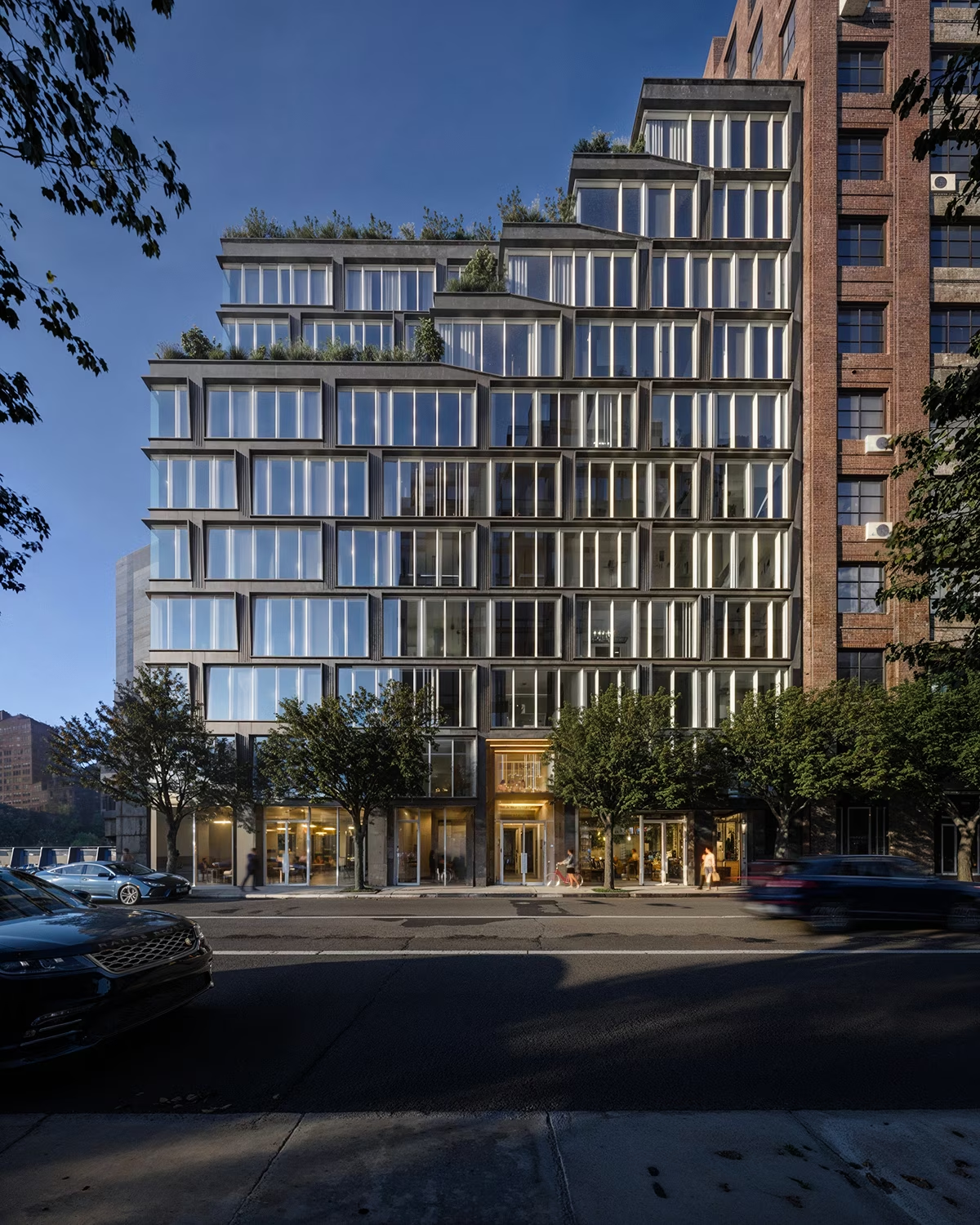
The building next door is modeled, not guessed
Fifteen years across the same boroughs means the buildings surrounding your site are rarely a mystery to us: we've likely already walked that block, referenced it, or rendered something near it before. When a neighboring facade, a rooftop water tank, or a street tree shows up in one of our renders, it's there because it's actually there, not because it filled a gap in a stock library.
"A buyer doesn't need to be an architect to know their own block. They just need one detail to be wrong."Arqing Studio
Precision is a trust signal, not a technical detail
Every render in a leasing deck or an investment memo is being asked to do a job: convince someone to commit capital, sign a lease, or approve financing for something that doesn't exist yet. That only works if the image survives scrutiny from people who know the neighborhood: brokers who work the block daily, buyers who grew up two streets over, board members approving a variance. Site-accurate context isn't a finishing touch on top of the render; for that audience, it is the render's credibility.
Building somewhere we already know?
Tell us the address. There's a good chance we already understand the block before we open your drawings.